Categorías
Último blog
Por qué la elección de envases de papel define la supervivencia de su marca
Apr 03 , 2026
Para construir una cadena de suministro resiliente, hay que mirar más allá de la estética superficial y adentrarse en la ciencia de los materiales. Cuencos de papel con revestimiento acuoso , integridad estructural y el panorama cambiante del cumplimiento normativo global. En esta guía, analizamos los datos técnicos que necesita para tomar una decisión de compra informada para 2026.
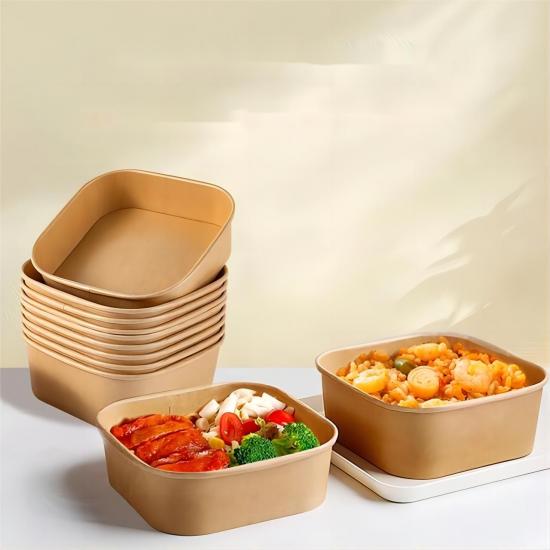
El revestimiento interno de un envase de papel es su componente más crítico. Determina su resistencia al calor, su capacidad de retención de grasa y, en última instancia, el ciclo de vida del producto. A medida que las certificaciones globales de productos "libres de plástico" se vuelven más estrictas, comprender estas tres tecnologías es fundamental.
La evolución de las barreras internas
El polietileno (PE) tradicional ya no es la opción preferida. En su lugar, las dispersiones acuosas y los polímeros de origen vegetal están ganando terreno. A continuación, se presenta una comparación cuantitativa de los recubrimientos más comunes en el mercado actual.
| Métrica de rendimiento | PE (Estándar) | PLA (bioplástico) | Acuoso (a base de agua) |
|---|---|---|---|
| Reciclabilidad | Bajo (difícil de pelar) | Solo compost industrial | Alto (flujo de papel estándar) |
| Resistencia al aceite (Nivel del kit) | 12 (Excelente) | 10 (Bueno) | 12 (Excelente) |
| Temperatura de deflexión del calor | 95°C | 60°C - 85°C | 105 °C (apto para microondas) |
| Carbono estimado por unidad | 28,5 g de CO2 | 18,2 g de CO2 | 12,4 g de CO2 |
El verdadero factor disruptivo es el cambio hacia tazones de sopa caliente sostenibles de alto rendimiento. A diferencia de la laminación tradicional, el recubrimiento acuoso se aplica como tinta, penetrando en las fibras del papel para crear una barrera hidrofóbica. Esto garantiza que el envase esté completamente libre de plástico, de acuerdo con las normativas europeas y norteamericanas vigentes.
La elección entre una ronda o una Cuencos de papel cuadrados para ensalada A menudo se descarta como una simple preferencia estilística, pero afecta profundamente a la eficiencia operativa y a la psicología del consumidor.
1. El borde cuadrado "Premium"
Desde el punto de vista logístico, los contenedores cuadrados ofrecen un 25% mejor "Utilización del espacio" en las bolsas de entrega. Los datos sugieren que las marcas premium que utilizan
Cuencos de papel cuadrados para ensalada
puede controlar un
Precio entre un 12% y un 18% más alto
en comparación con quienes utilizan recipientes redondos estándar. Esto se debe a la percepción visual "estructurada" que los consumidores asocian con comidas organizadas y de alta gama.
2. La física estructural del borde
Para líquidos calientes, el diámetro del borde superior (p. ej., 115 mm) es fundamental. Un fabricante de alta calidad garantiza una tolerancia de +/- 0,2 mm. Esta precisión asegura que la tapa biodegradable se cierre con un clic audible, creando un sellado hermético que evita fugas durante el transporte.
Al auditar a un proveedor, los gerentes de compras deben analizar datos que no son visibles en las fotos del producto. La integridad estructural es una cuestión matemática, no estética.
Gramaje del papel base versus rendimiento
El gramaje (g/m²) determina la resistencia a la rotura del envase. Si el papel es demasiado fino, el vapor de los alimentos calientes hará que las fibras se relajen, provocando su colapso estructural.
| Tipo de contenedor | Gramo estándar | Calidad superior | Punto crítico de fallo |
|---|---|---|---|
| Taza de café | 210 g - 230 g/m² | 280 g - 330 g/m² | Se deforma a 85 °C. |
| Ensaladera | 250 g - 280 g/m² | 300 g - 350 g/m² | Se dobla bajo presión |
| Tazón de sopa caliente | 280 g - 300 g/m² | 320 g - 380 g/m² | Fuga inferior |
Unión ultrasónica frente a adhesivos
Gama alta
Envase de papel biodegradable para comida para llevar
Las fábricas utilizan ondas ultrasónicas para fusionar las costuras laterales en lugar de pegamentos químicos. Esto crea una unión un 30 % más resistente y garantiza que no se transfieran olores ni sustancias químicas a los alimentos al recalentarlos.
Los consumidores modernos esperan poder recalentar sus comidas a domicilio directamente en el envase. Es aquí donde las normas de materiales de 2026 marcan la diferencia entre los líderes del mercado y los rezagados.
1. Estabilidad térmica de los recubrimientos acuosos
A diferencia del PLA, que puede deformarse o derretirse a temperaturas superiores a 60 °C, el papel recubierto con agua resiste el ciclo estándar de microondas de 2 minutos a 800 W. Esta estabilidad garantiza que el envase mantenga su rigidez durante todo el proceso de consumo.
2. Percepción táctil y marketing "háptico"
La textura de
Cuencos de papel con revestimiento acuoso
Transmite una sensación de "calidad natural". Las investigaciones sobre el comportamiento del consumidor indican que las sensaciones táctiles de las superficies orgánicas y no plásticas generan una mayor valoración del sabor de los alimentos y una mayor confianza en la marca. Para las marcas que se posicionan como "saludables" u "orgánicas", esta retroalimentación háptica es un punto de contacto fundamental.
Muchos operadores temen el "Impuesto Verde", el aumento del costo de Envase de papel biodegradable para comida para llevar Sin embargo, un análisis del costo total de propiedad (CTP) revela que el empaque premium es, en realidad, una medida de ahorro de costos a largo plazo.
A medida que avanzamos hacia 2026, la industria está convergiendo hacia soluciones "monomateriales". El objetivo es un ecosistema 100% basado en papel (tapa, recipiente y revestimiento), todo reciclable en un solo flujo. Al elegir Envase de papel biodegradable para comida para llevar Su marca se alinea con los objetivos de sostenibilidad globales sin sacrificar el rendimiento.
1. Realizar una auditoría de "prueba de estrés".
Antes de formalizar un contrato, compruebe la resistencia de los recipientes actuales a altas temperaturas y grasas durante 30 minutos. Un recipiente debe conservar al menos el 90 % de su resistencia vertical tras contener sopa a 90 °C durante media hora.
2. Transición inmediata de alto riesgo
Trasladar los elementos del menú con alto contenido de líquido y alta temperatura a
Tazones de sopa caliente sostenibles
Inmediatamente. Estos artículos representan el mayor riesgo de insatisfacción del cliente y exposición negativa en las redes sociales.
3. Transparencia y certificación
Asegúrese de que las certificaciones "Sin plástico" y "Compostable" estén impresas claramente en el lateral del recipiente. La transparencia en el embalaje es tan importante como la transparencia en el origen de los ingredientes.
El contenedor es el nexo entre tu cocina y la mesa del cliente. Invertir en la excelencia ya no es un lujo, sino un requisito indispensable para sobrevivir en el ecosistema de servicios de alimentación de 2026.






Xiamen GLAMAN environmental technology Co., Ltd




 Teléfono : +86 18759299872
 Correo electrónico : zheng@glamanpaperlid.com